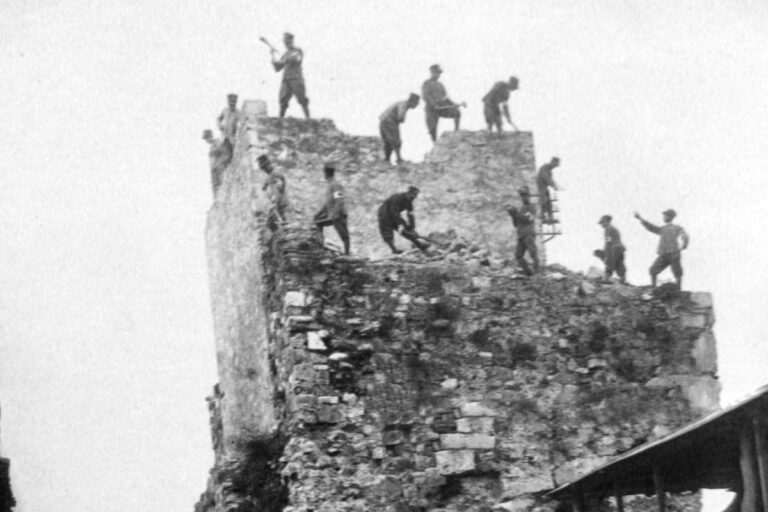
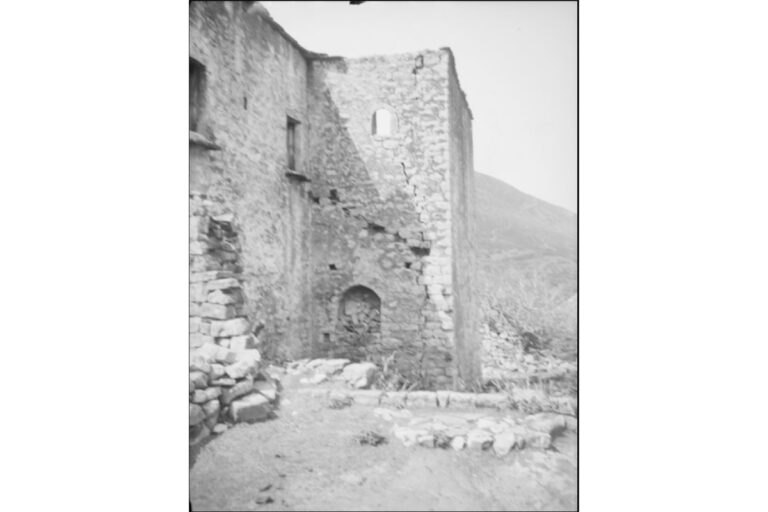
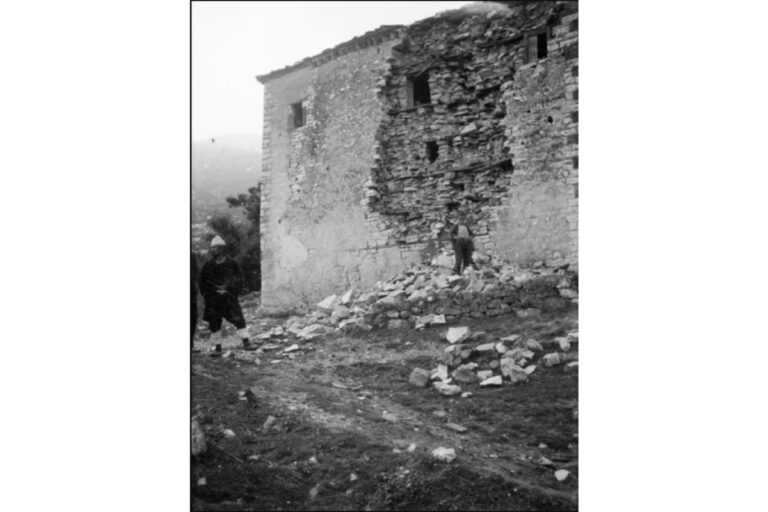
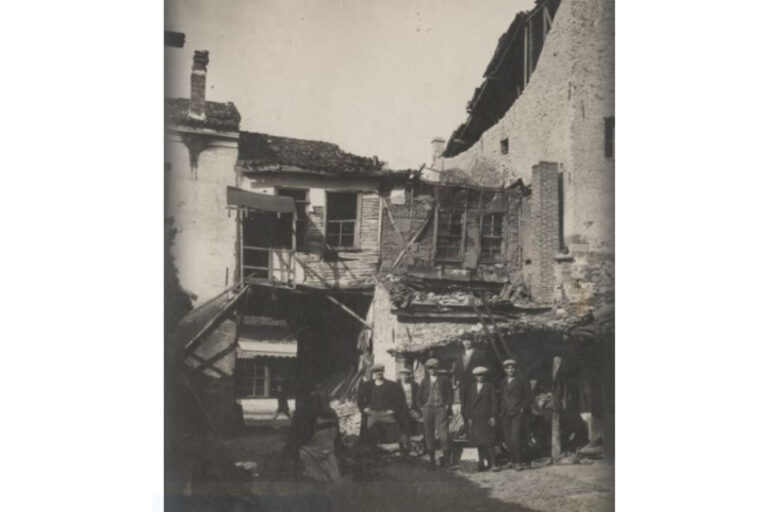
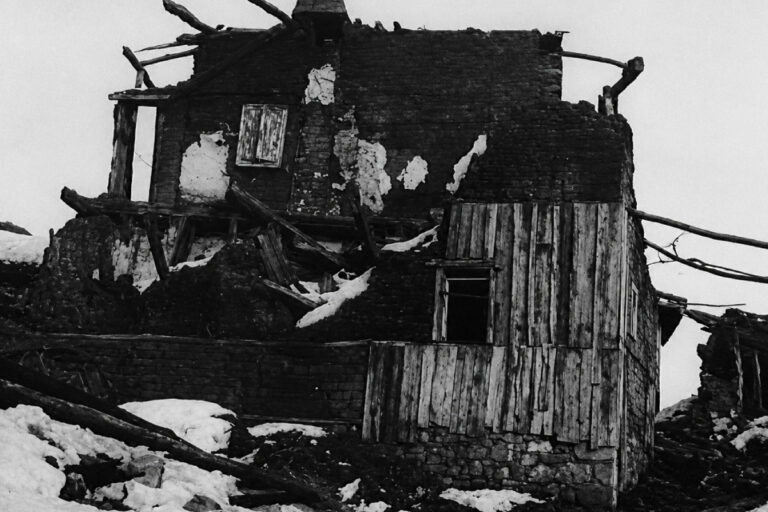
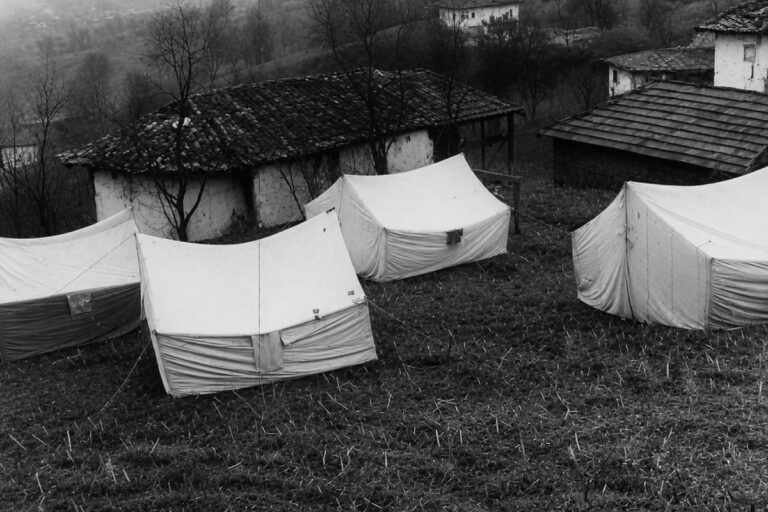
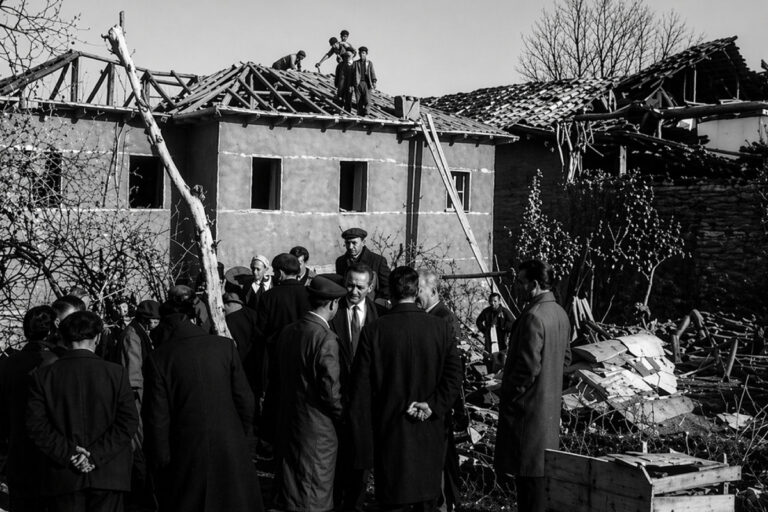
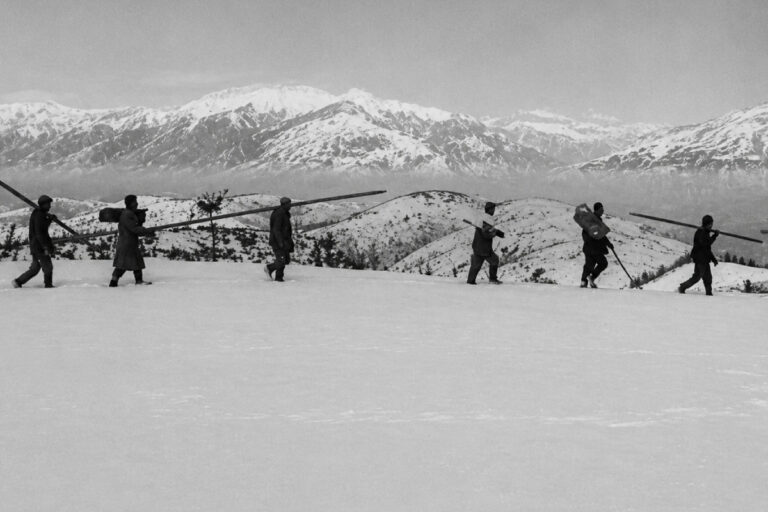
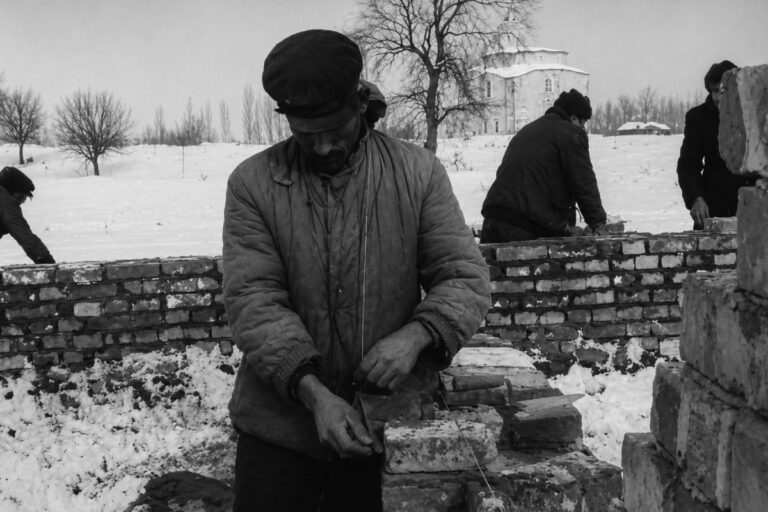
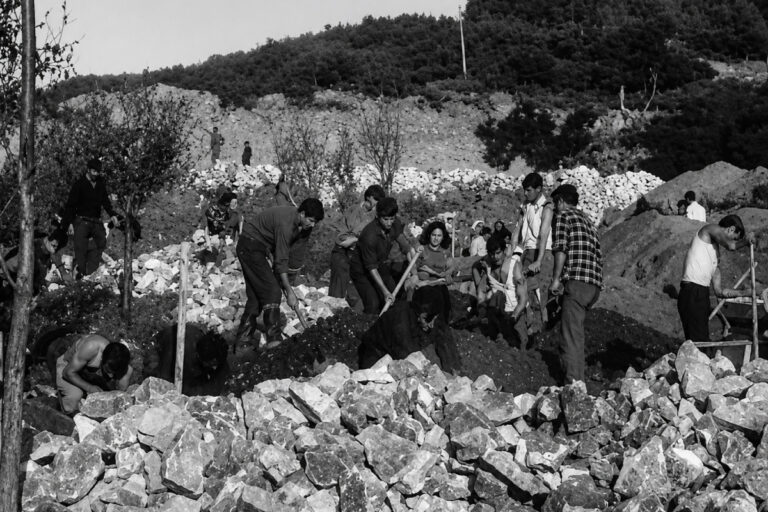
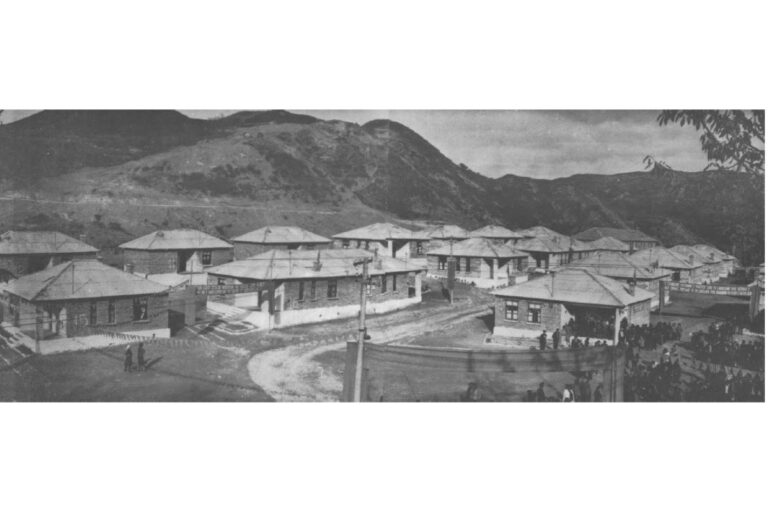
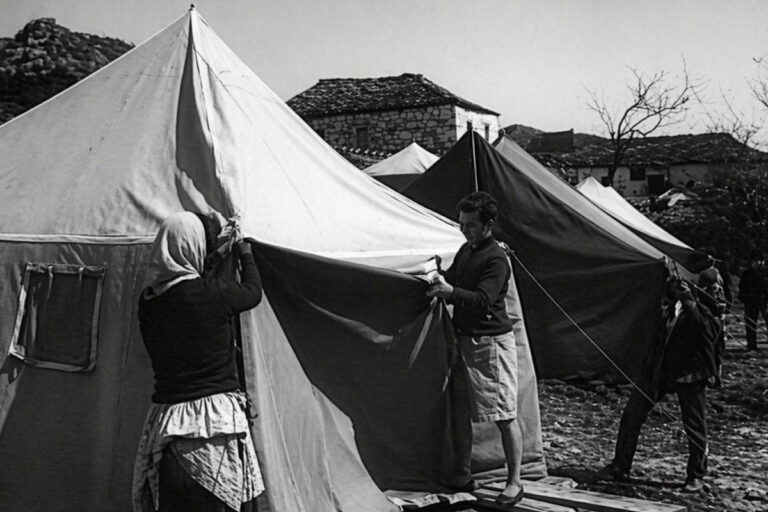
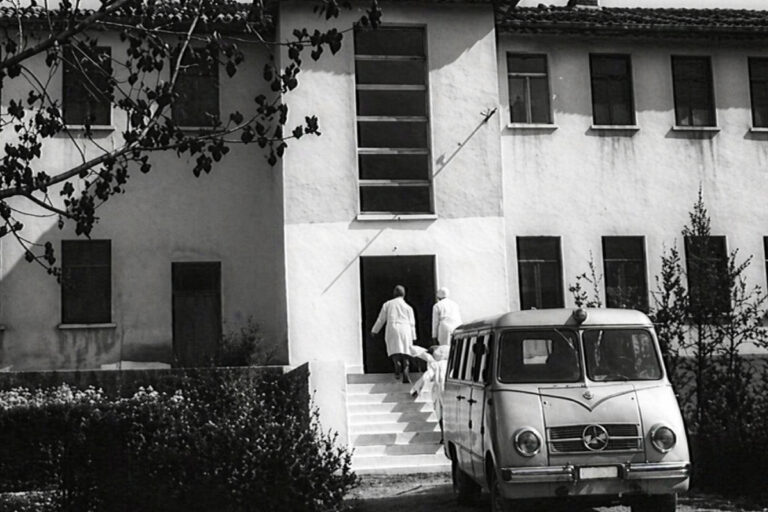
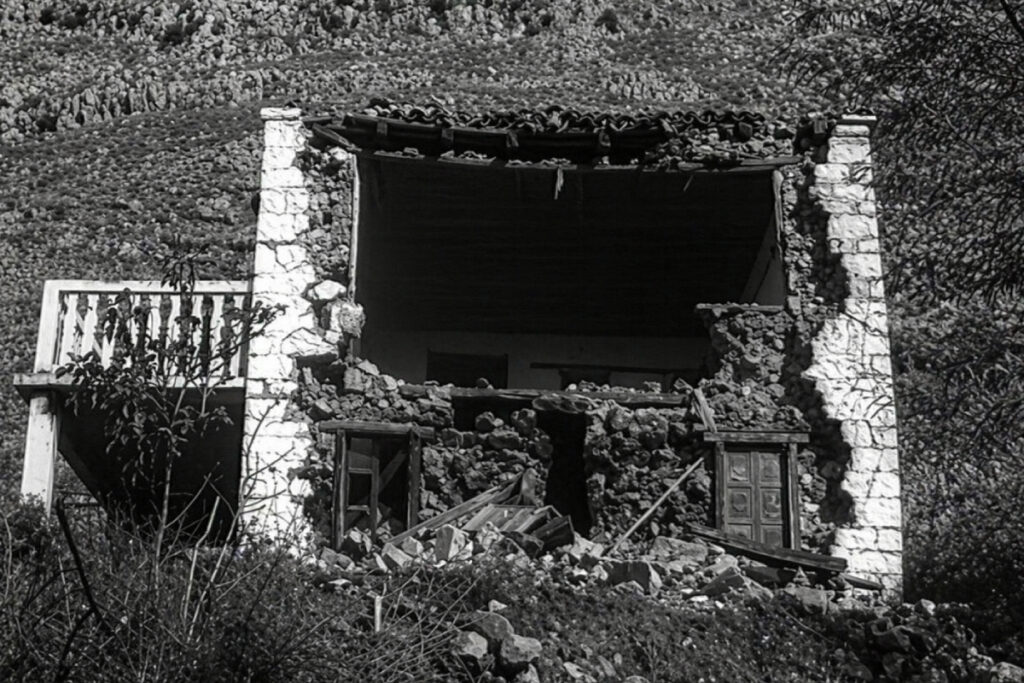
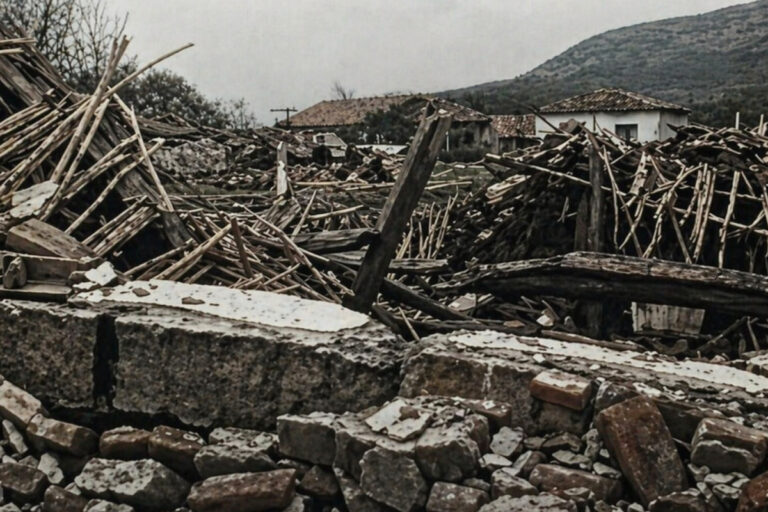
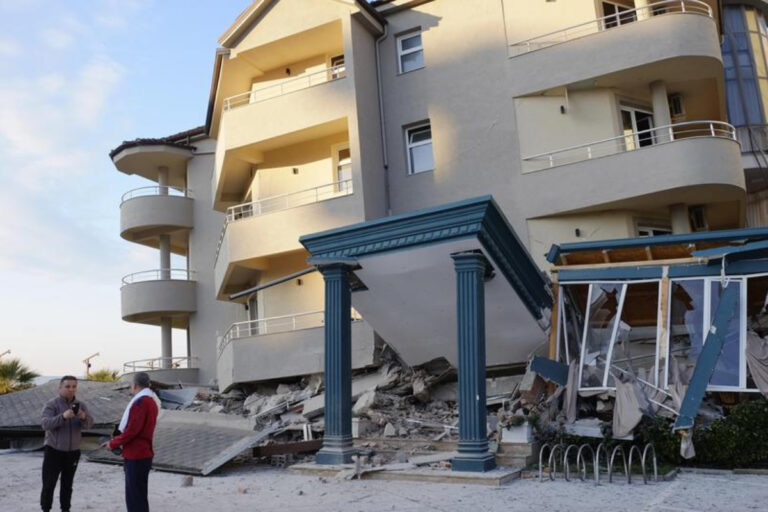
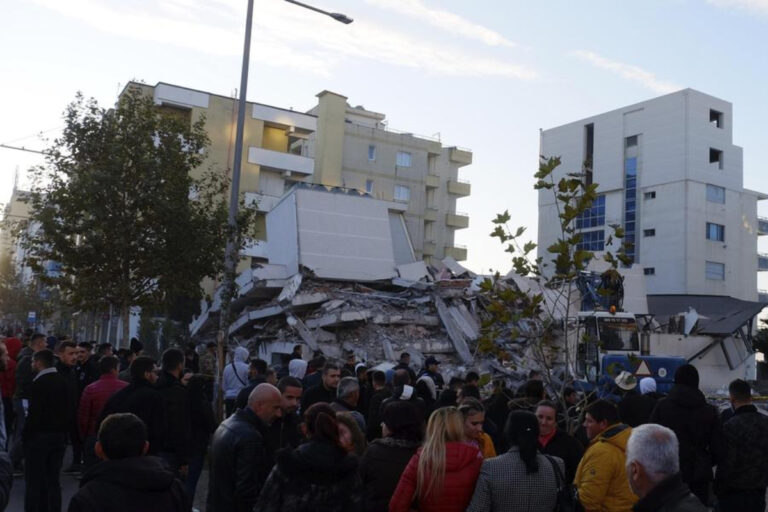
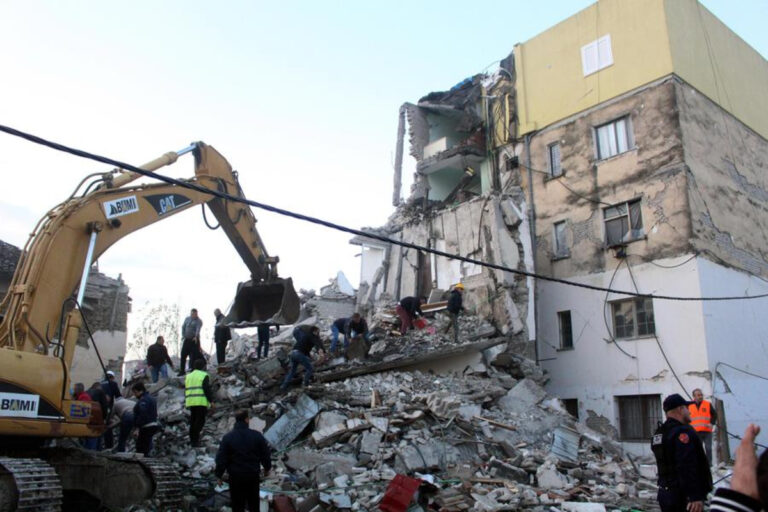
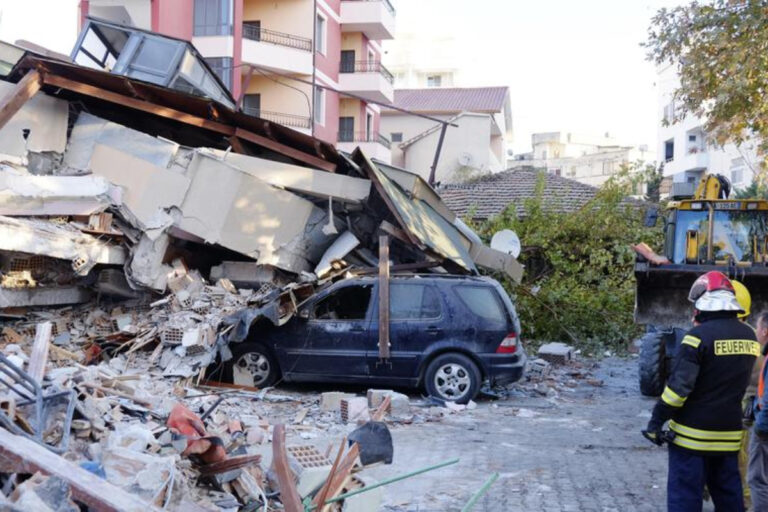
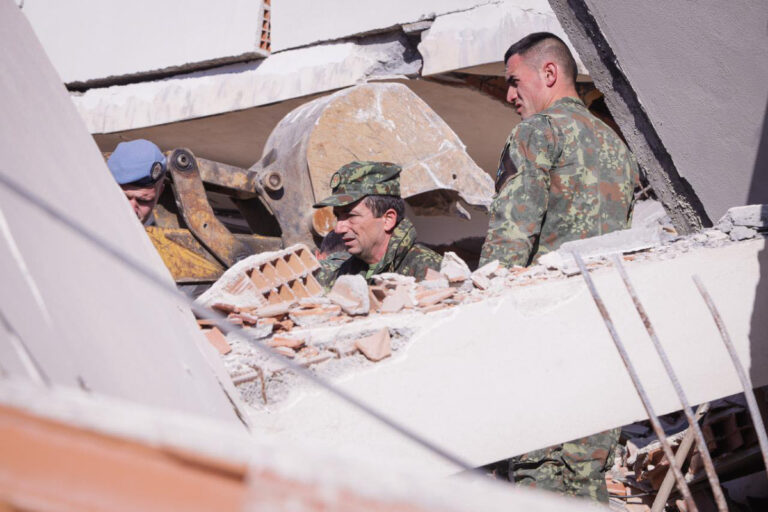
Earthquakes have been among the most frequent and devastating natural disasters throughout Albania’s history. Due to its geographical position and the high seismic activity of the Balkan region, the country has repeatedly faced strong earthquakes that have caused loss of life, extensive material damage, and long-term social and economic consequences.
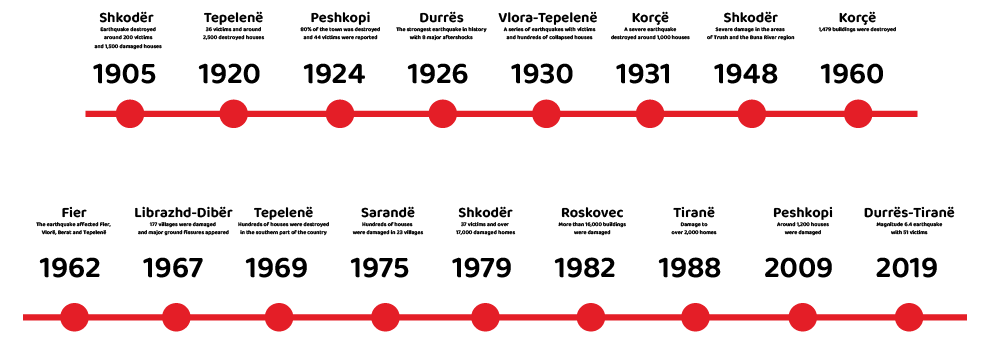
From the 1905 earthquake in Shkodër to the tragic earthquake of November 26, 2019, affecting Durrës and Tirana, Albania has experienced numerous seismic events that impacted cities, villages, infrastructure, and thousands of families. These events have highlighted the importance of safe construction standards, seismic monitoring, emergency preparedness, and strengthening disaster risk management capacities.
The history of earthquakes in Albania remains a constant reminder of the need for prevention, public awareness, and continuous investment in resilience, safety, and civil protection systems.
- 1926
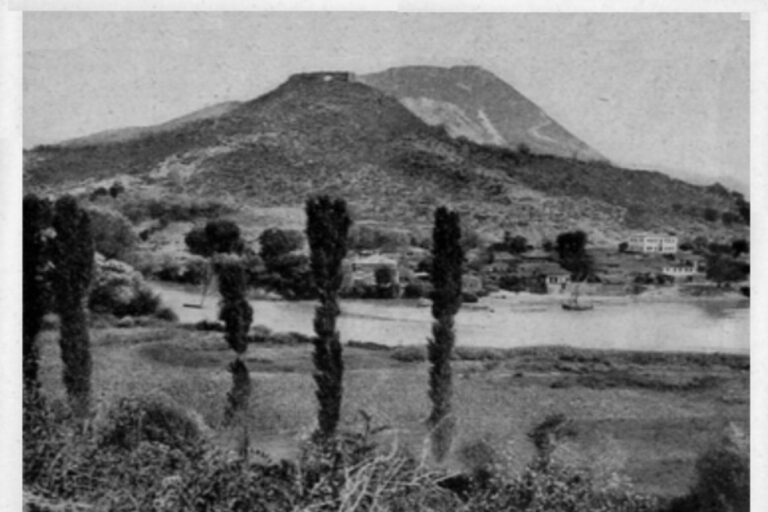
Earthquake, Durrës
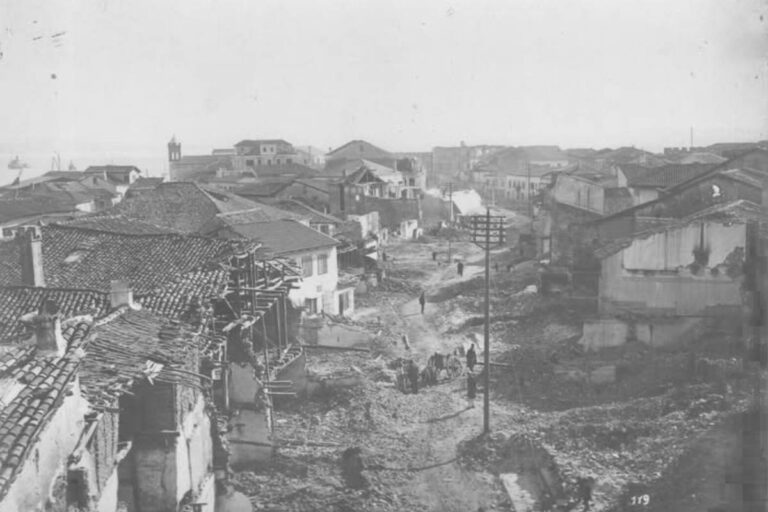
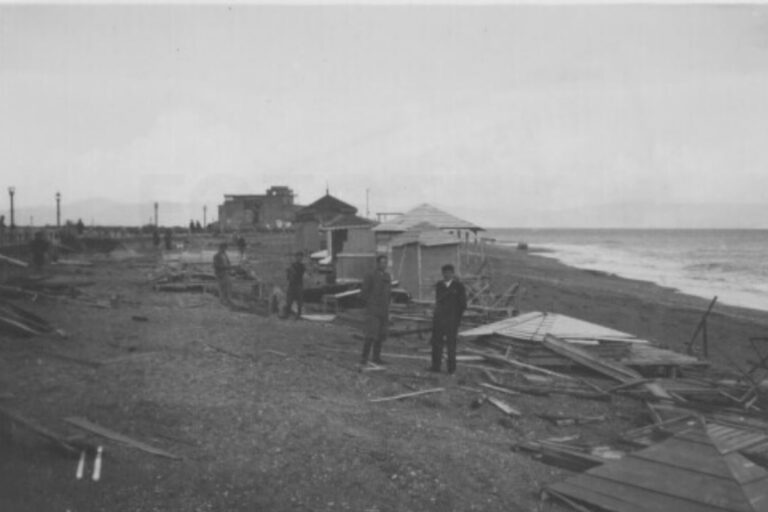
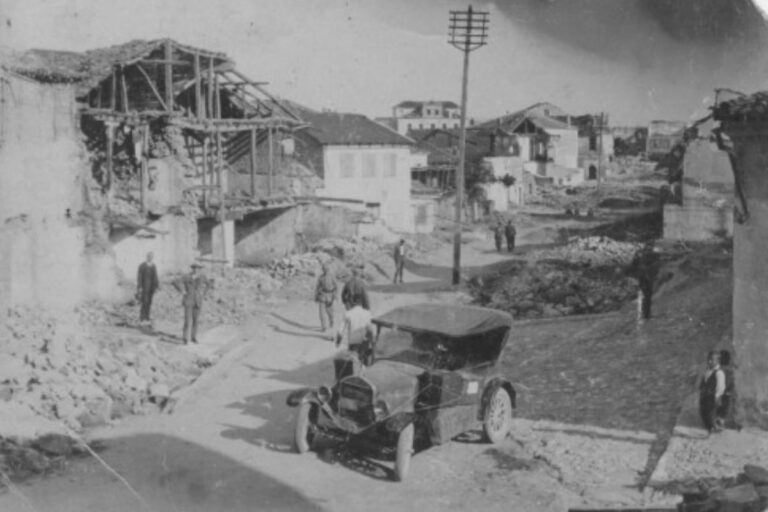
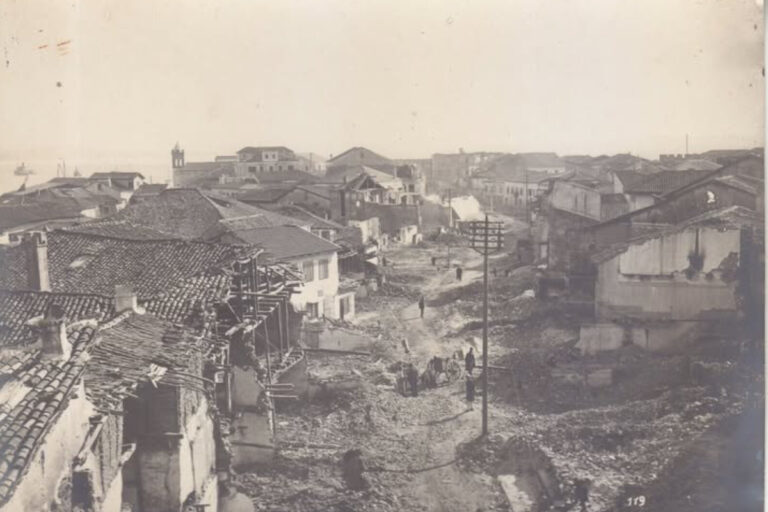
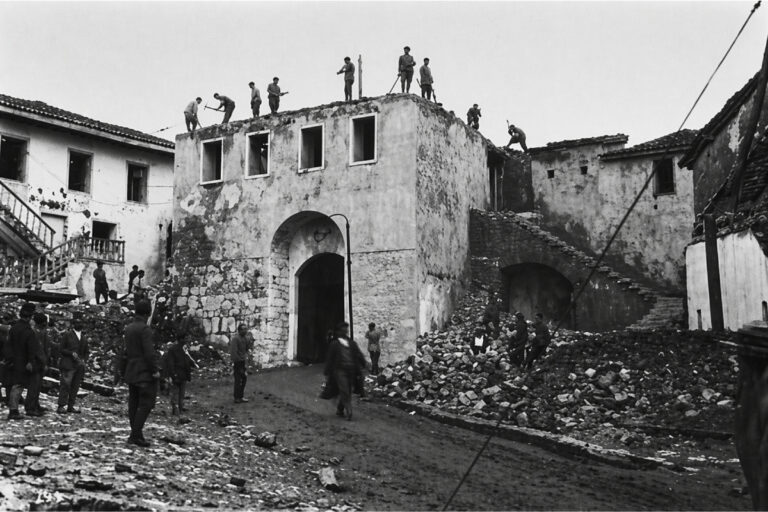
At the end of 1926, Durrës, Kavaja and Shijak were struck by a series of powerful earthquakes that heavily damaged the area and left hundreds of families homeless. The Durrës earthquake remains one of the greatest natural disasters of the young Albanian state and a symbol of national and international solidarity in times of emergency.
- 1930–1931
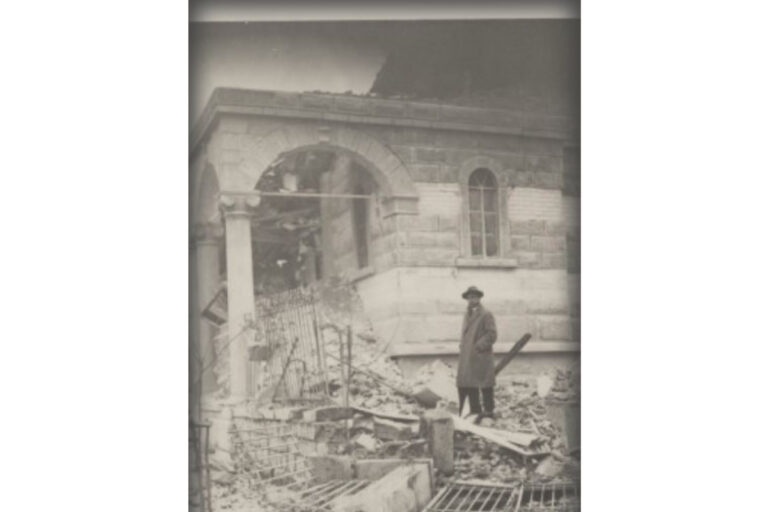
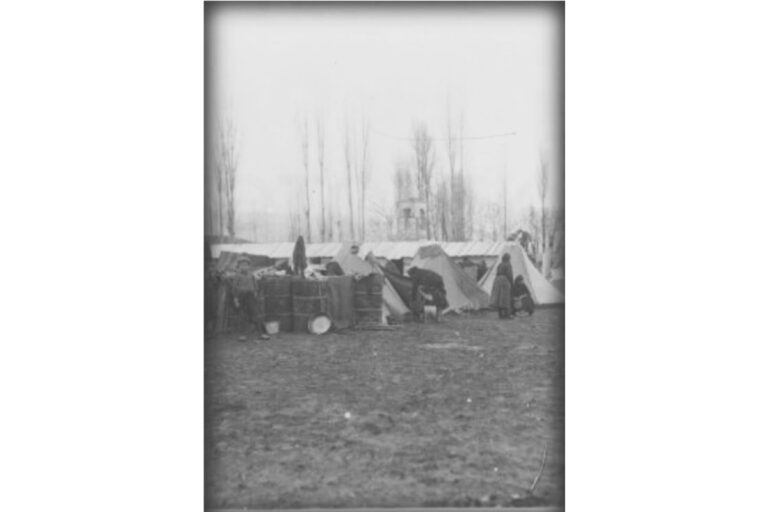
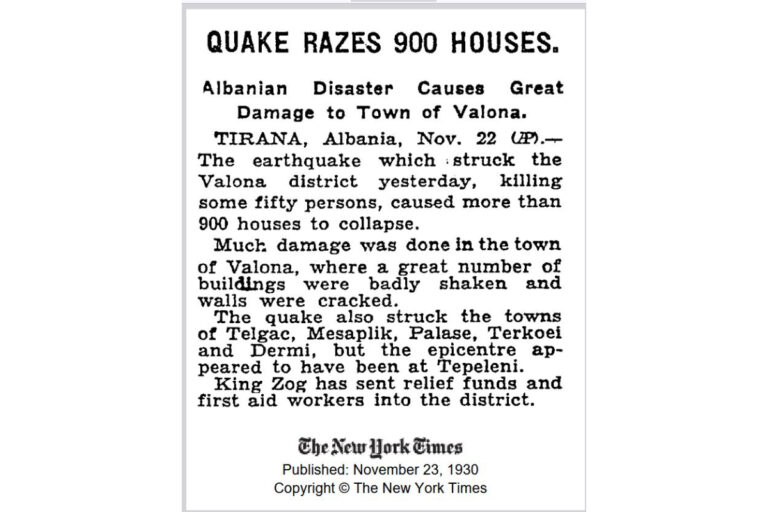
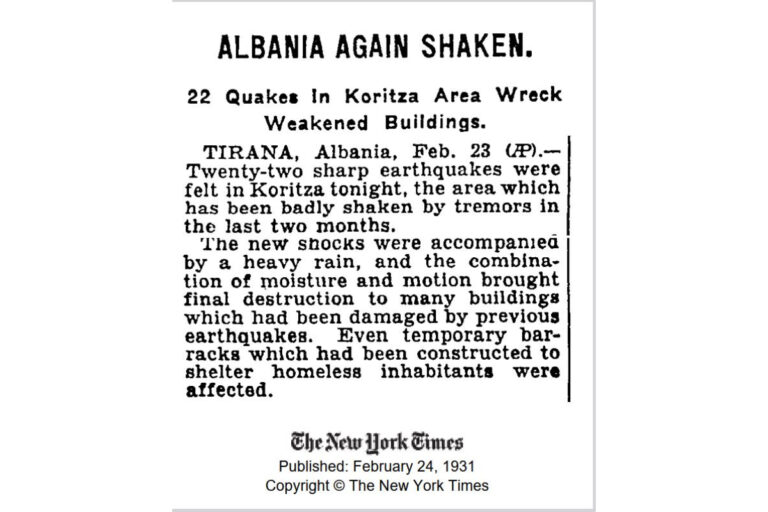
Earthquake, Vlorë & Korçë
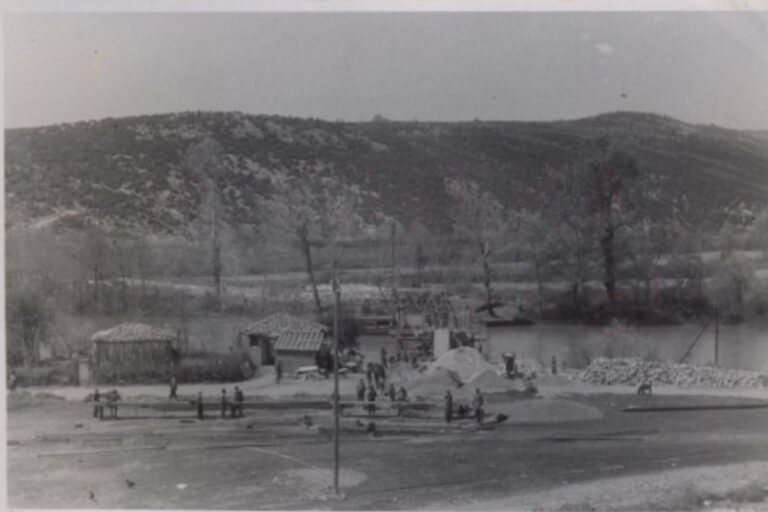
In 1930–1931, Albania was struck by a series of powerful earthquakes affecting areas from Vlora to Korça, causing dozens of deaths and thousands of homes to be destroyed or damaged. These tremors remain one of the most severe episodes in Albania’s seismic history and highlight the country’s long-standing exposure to natural disasters.
- 1962
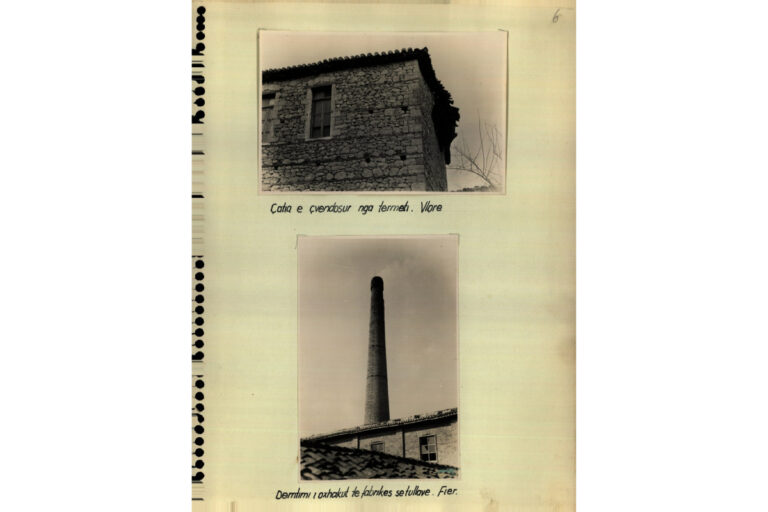
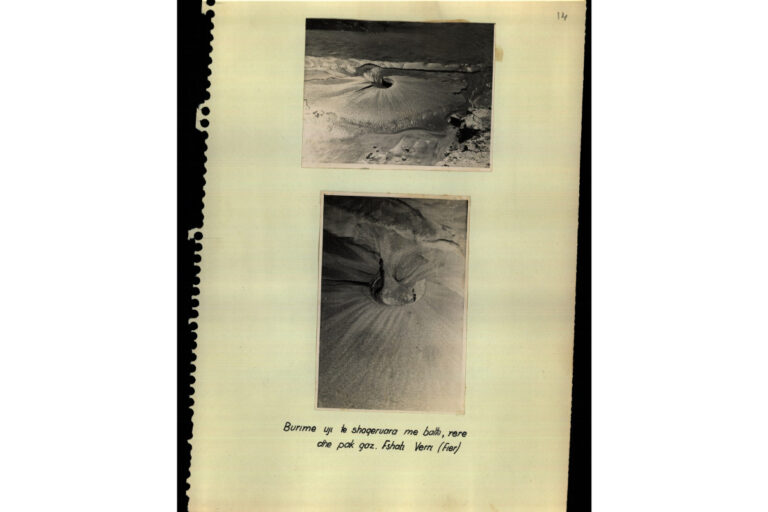
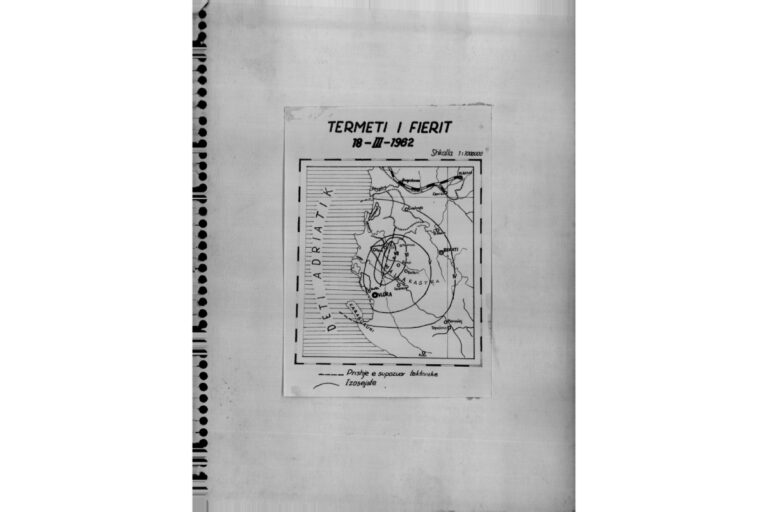
Earthquake, Fier
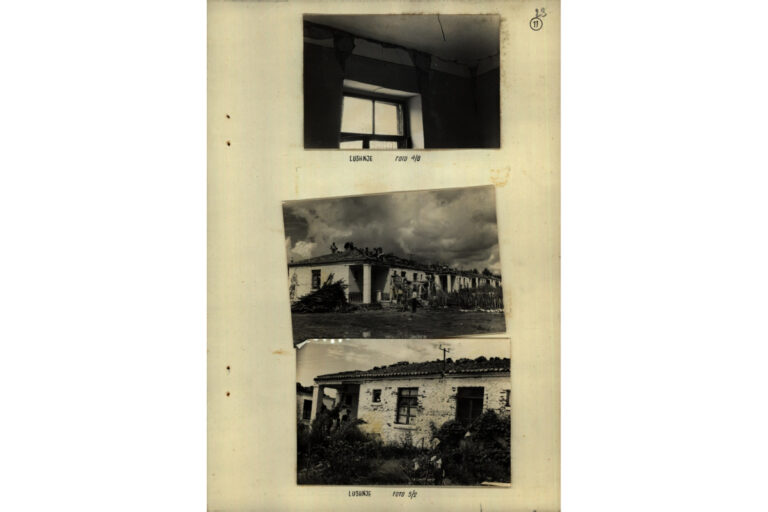
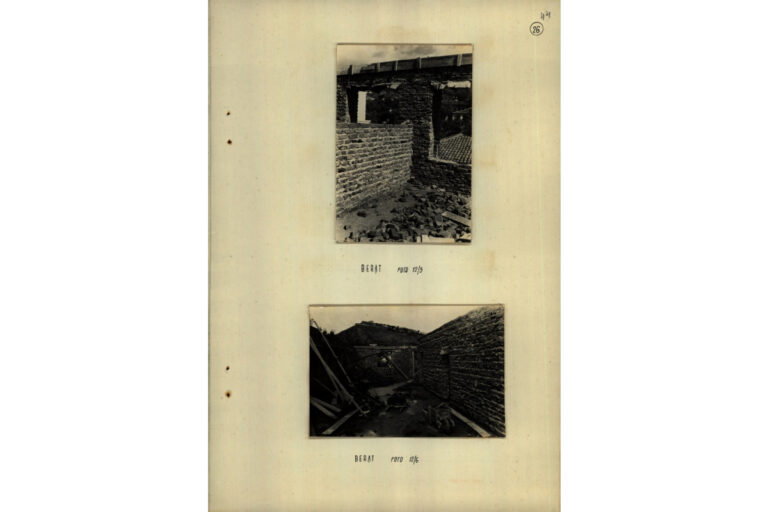
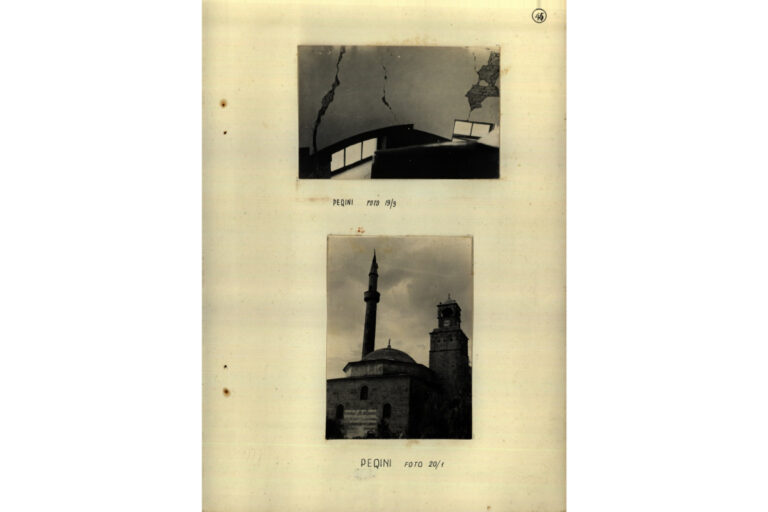
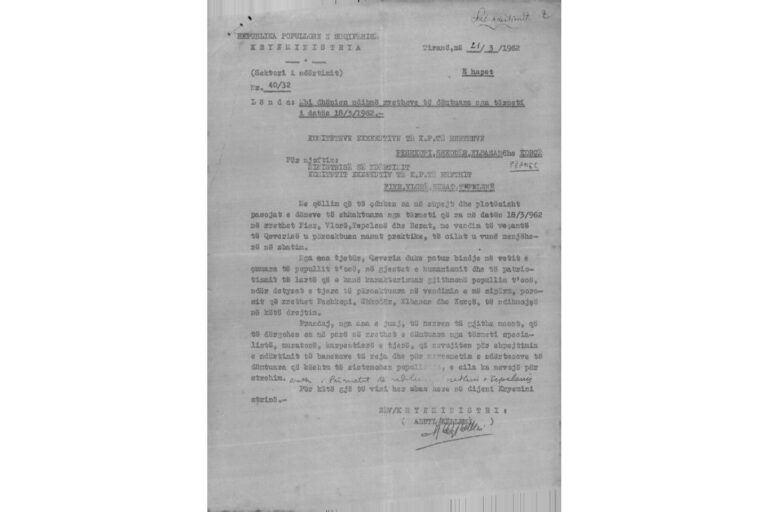
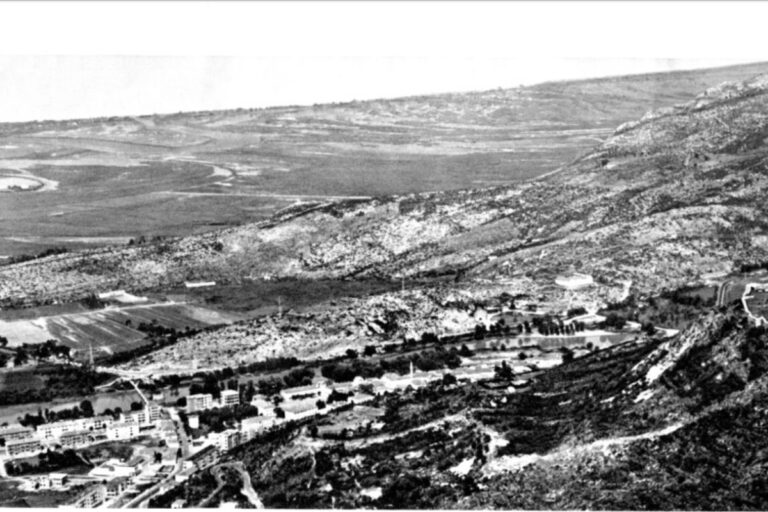
On March 18, 1962, an earthquake struck Fier, Vlora, Tepelena and Berat, causing significant damage to homes and buildings and prompting an immediate state mobilization for reconstruction efforts. The event also became a catalyst for strengthening seismological studies and establishing a modern earthquake monitoring service in Albania.
- 1967
Earthquake, Dibër & Librazhd
On November 30, 1967, a powerful earthquake centered in the Dibër–Librazhd area struck eastern Albania, causing 12 deaths, hundreds of injuries, and severe damage across 177 villages. The event remains one of the strongest earthquakes recorded in Albania during the 20th century and a reminder of the country’s high seismic risk.
- 1969
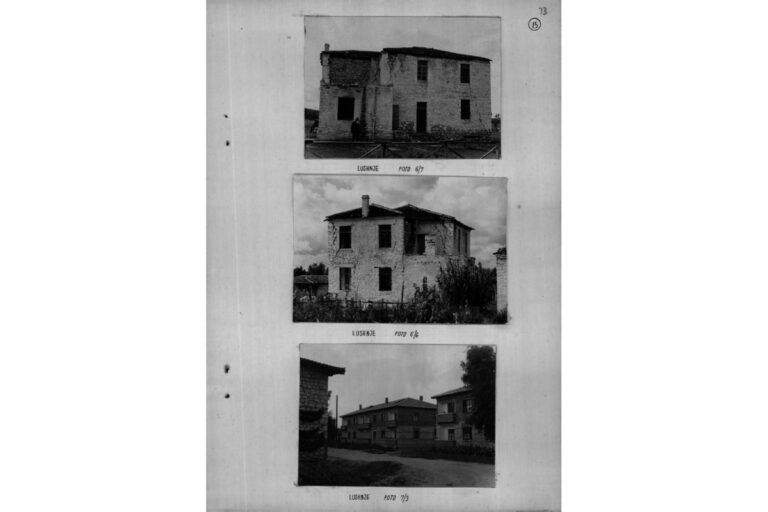
Earthquake, Tepelenë
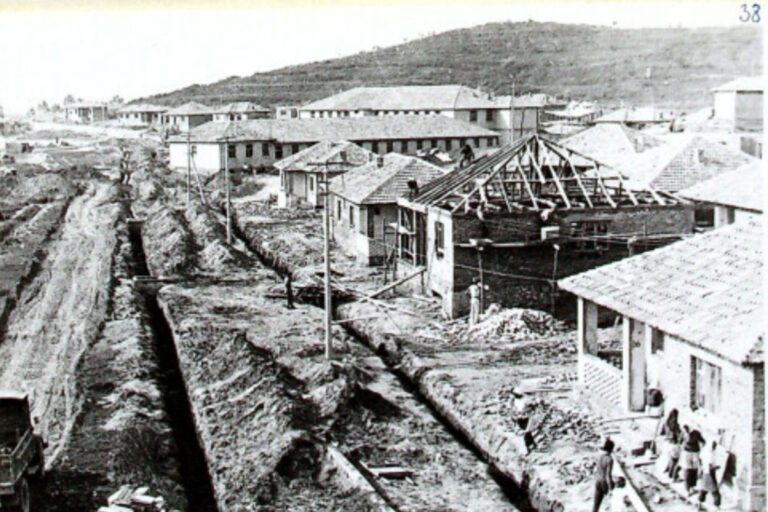
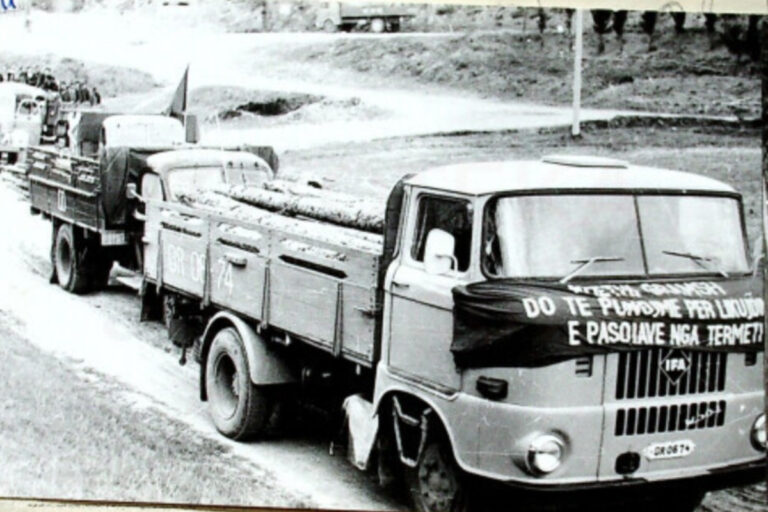
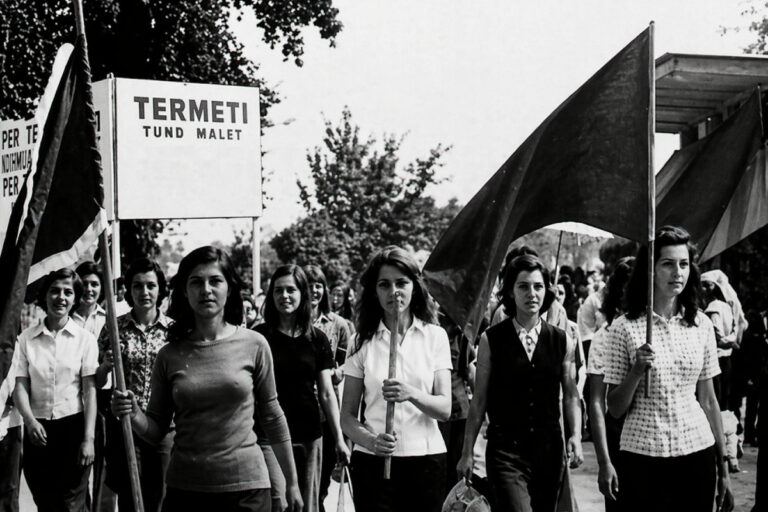
In 1969, a powerful earthquake centered near Tepelena struck southern and central Albania, causing major damage in Tepelena, Fier, Berat, Skrapar, Vlora and Përmet. The earthquake left one person dead, dozens injured, and thousands of homes damaged or destroyed, highlighting the need for stronger anti-seismic construction standards.
- 1975
Earthquake, Sarandë
On November 22, 1975, an earthquake measuring around 7 degrees in intensity struck the Saranda region, damaging hundreds of homes across 23 villages. The event highlighted southern Albania’s exposure to seismic risk and the ongoing need for safer earthquake-resistant construction.
- 1979
Earthquake, Shkodër
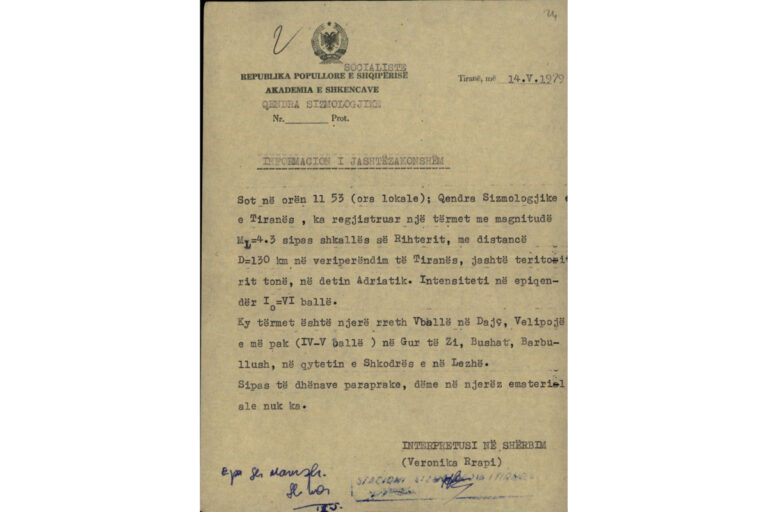
On April 15, 1979, a powerful 7.2–7.3 magnitude earthquake struck northern Albania, causing 35 deaths, hundreds of injuries, and severe destruction in Shkodër, Lezha and surrounding areas. The disaster remains the most devastating earthquake in Albania after World War II and a turning point for earthquake-resistant construction and emergency management awareness.
- 2019
Earthquake, Durrës
26 November 2019: The 6.4 magnitude earthquake caused 51 fatalities and became the most severe natural disaster in Albania in recent decades.
Floods
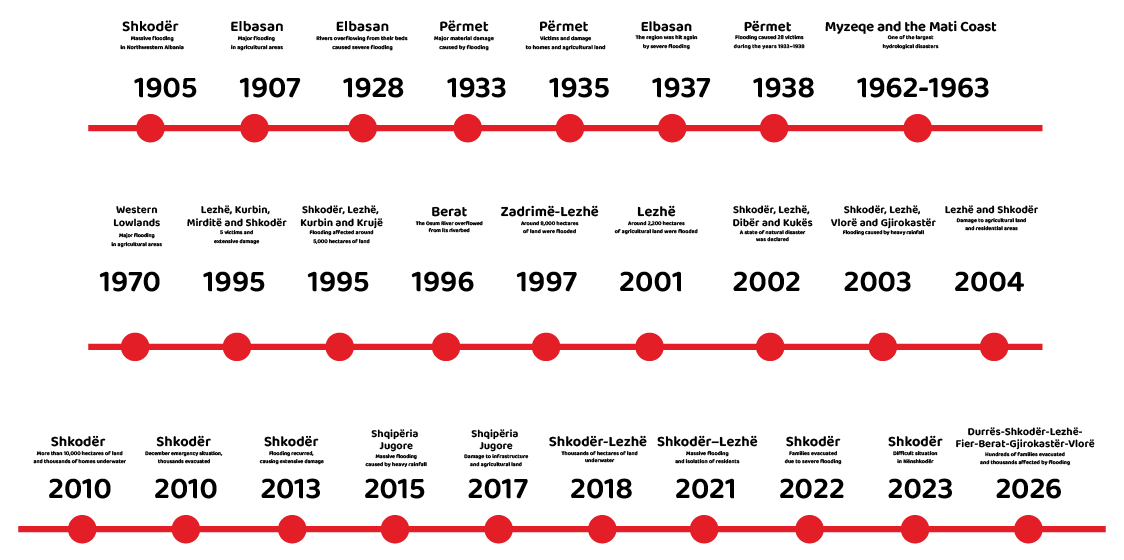
Floods represent one of the most recurring and damaging natural hazards in Albania, affecting the country almost every decade and, in some regions, on a seasonal basis. Due to intensive rainfall, river overflows, inadequate drainage systems, and the geographical characteristics of lowland and coastal areas, floods have repeatedly caused severe impacts on communities, agriculture, infrastructure, and the national economy.
Over the years, regions such as Shkodër, Lezhë, Vlorë, and southern Albania have experienced major flood emergencies that led to evacuations, destruction of homes and businesses, isolation of communities, and the flooding of thousands of hectares of agricultural land. Some of the most severe flood events have remained critical moments in the country’s disaster history, highlighting the growing challenges posed by climate change and extreme weather events.
These recurring situations underline the importance of sustainable water management, resilient infrastructure, early warning systems, and coordinated emergency response mechanisms to reduce risk and strengthen Albania’s capacity to respond to future flood-related disasters.
- 1935
Flood, Shkodër
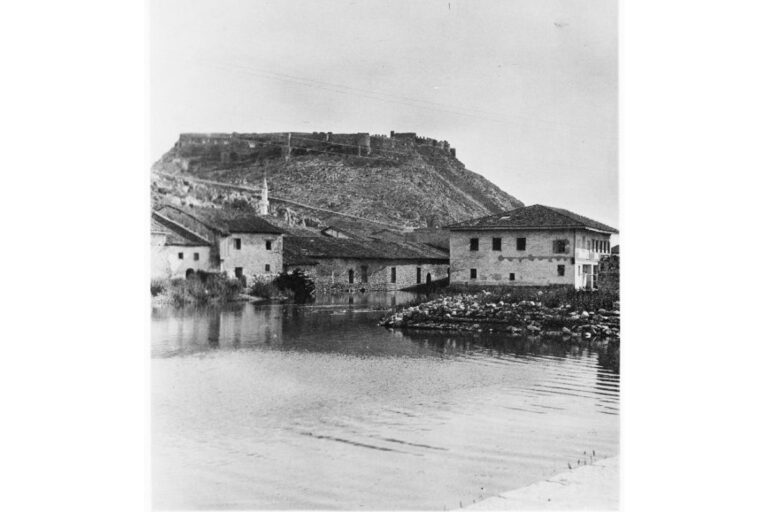
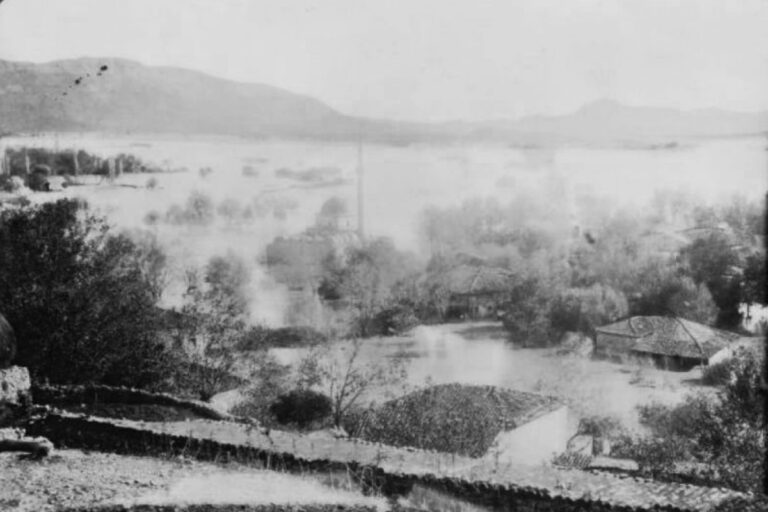
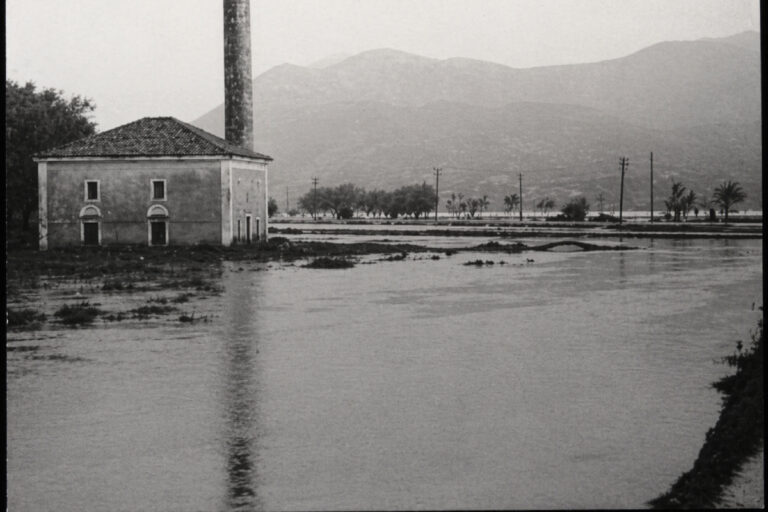
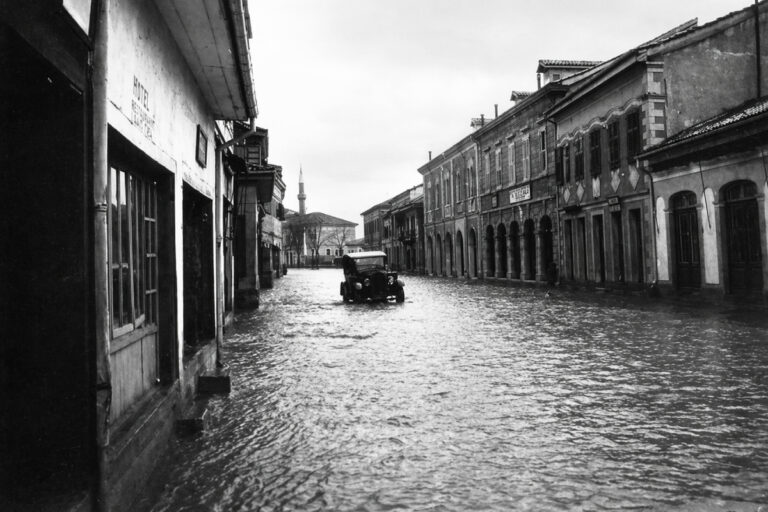
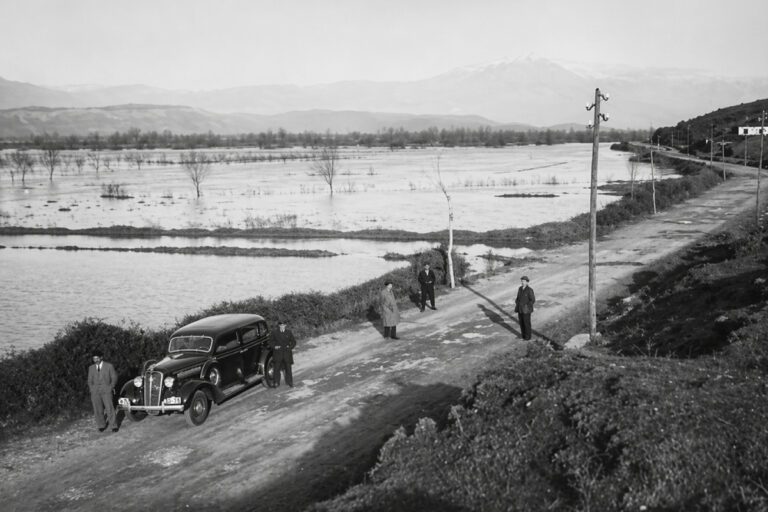
At the end of 1935, Shkodra was struck by one of the most severe floods of its time, leaving 40 people dead and hundreds of homes destroyed or heavily damaged. The disaster also affected other Albanian cities and drew international attention.
- 1962–1963
Flood, Myzeqe & Mati Coast
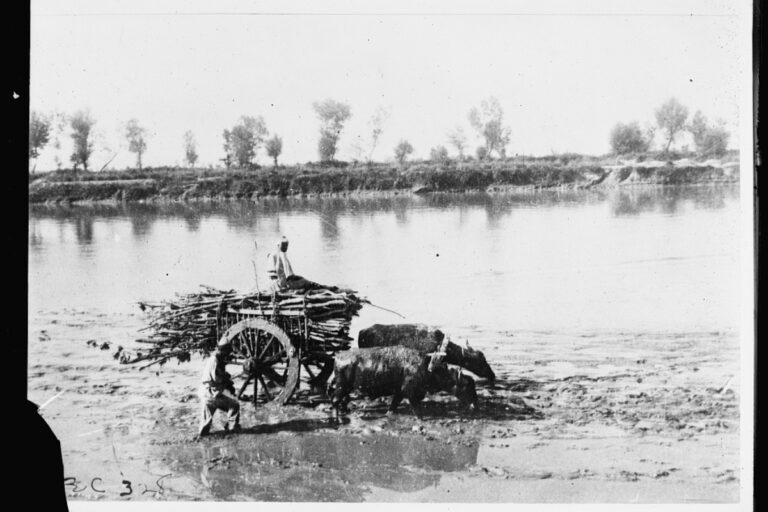
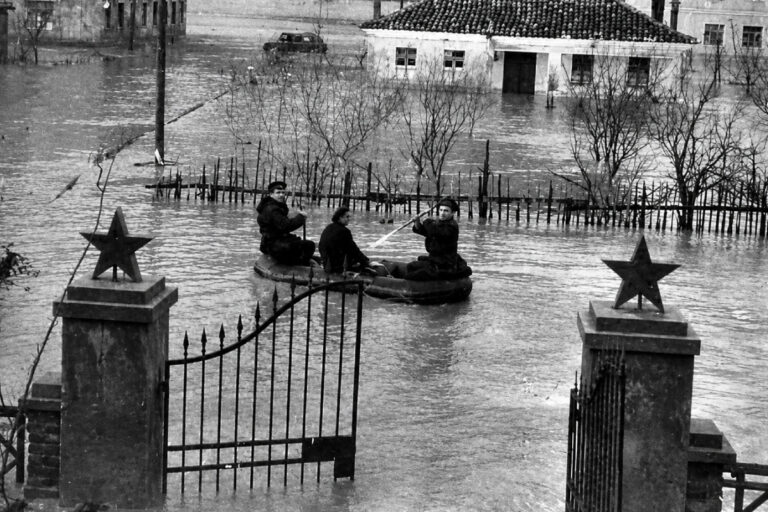
One of the largest hydrological disasters in the country’s history flooded the western lowlands during the winter season.
- 2002
Flood, Shkodër, Lezhë
Severe flooding forced the government to declare a state of natural disaster.
- 2021
Flood, Southern Albania
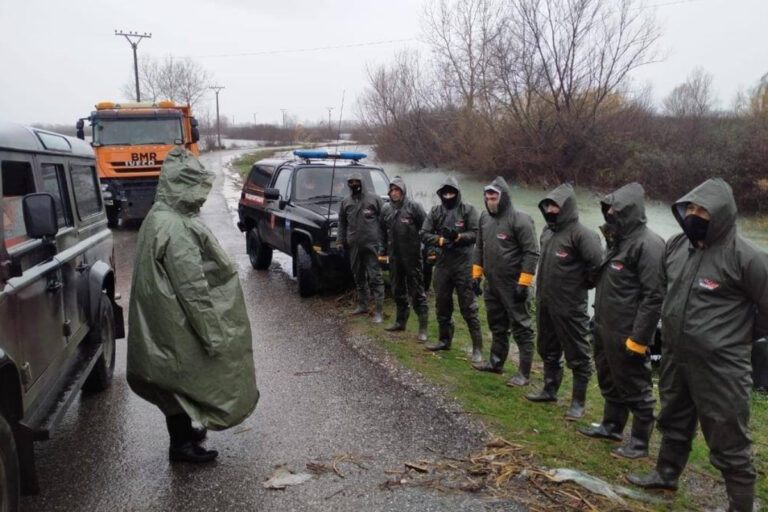
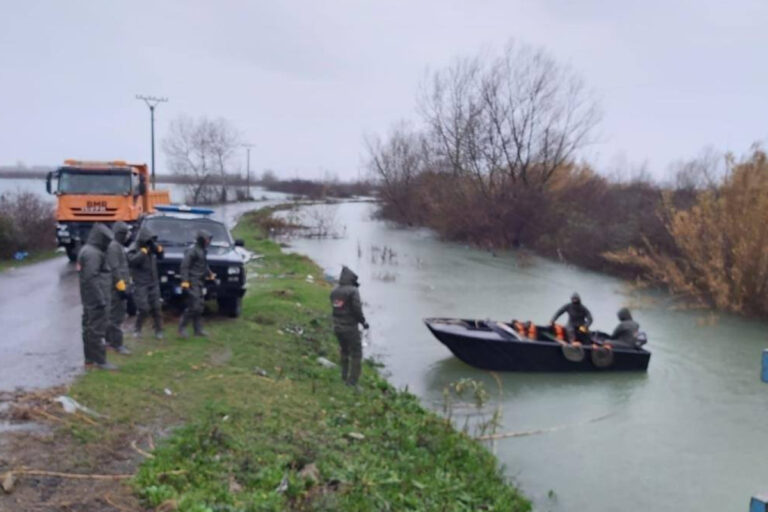
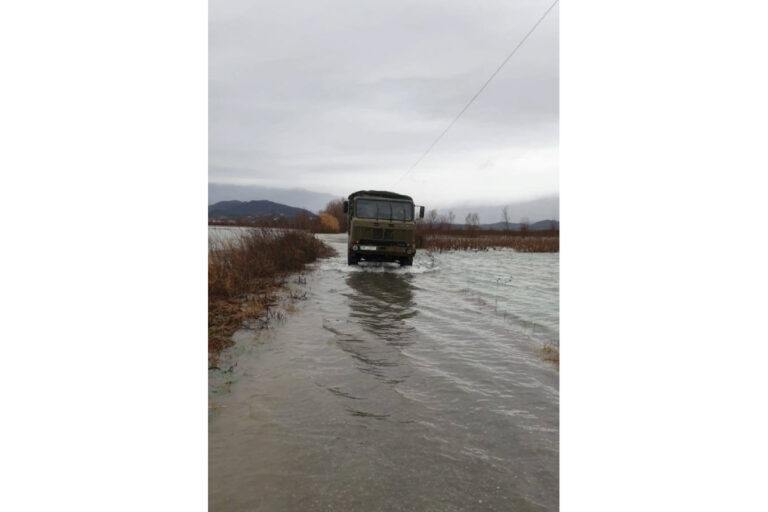
Intense rainfall and the overflow of the Vjosa River created a severe emergency situation in Fier, Vlora, and surrounding areas. Hundreds of families were evacuated, while thousands of hectares of agricultural land, homes, and rural roads were flooded.
Wildfires
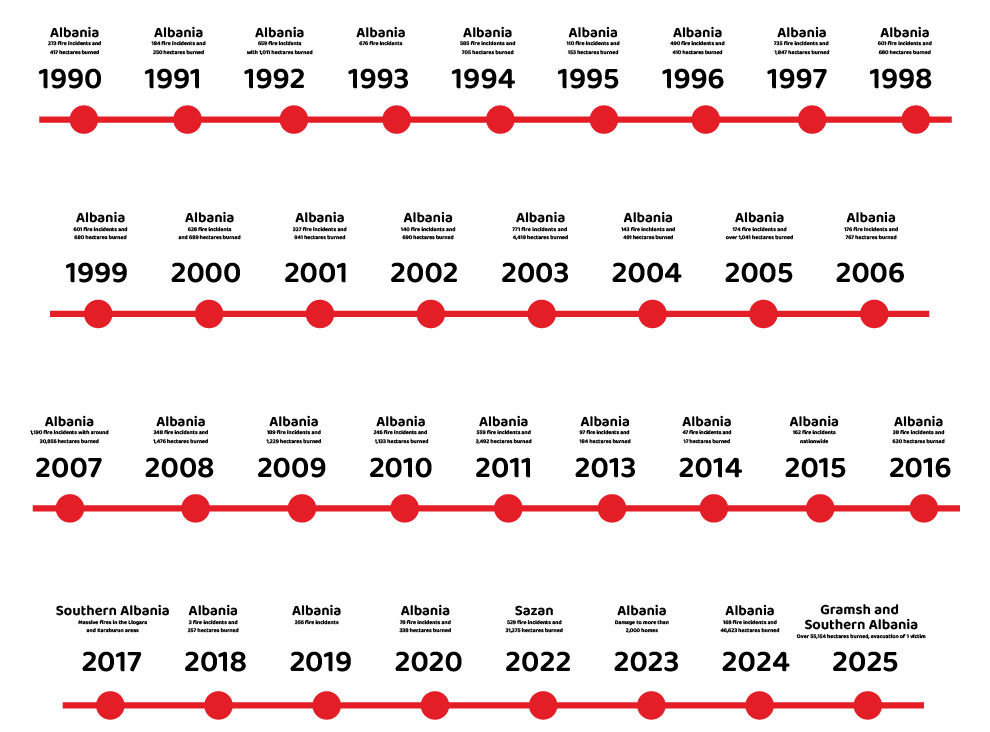
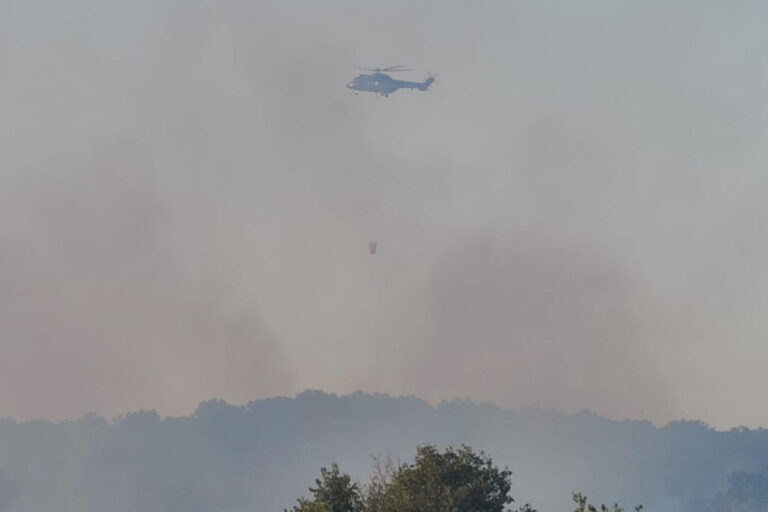
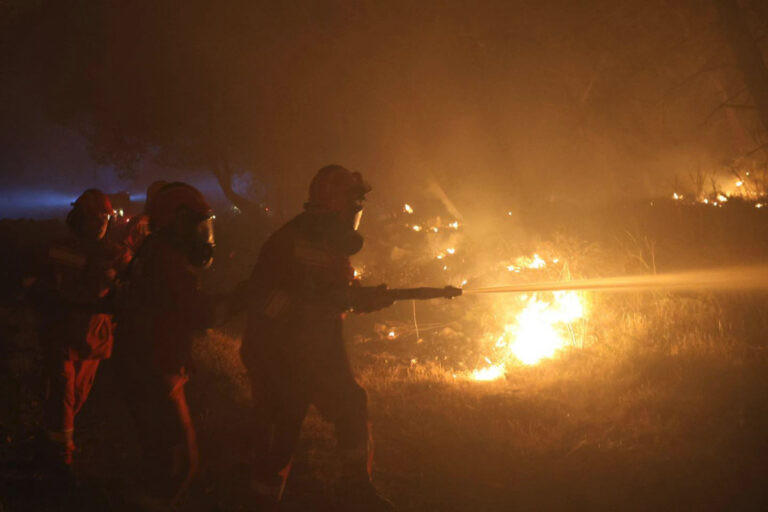
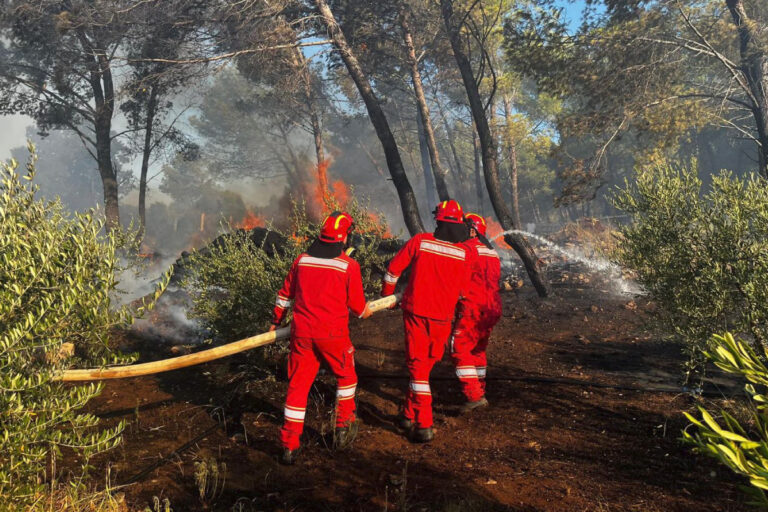
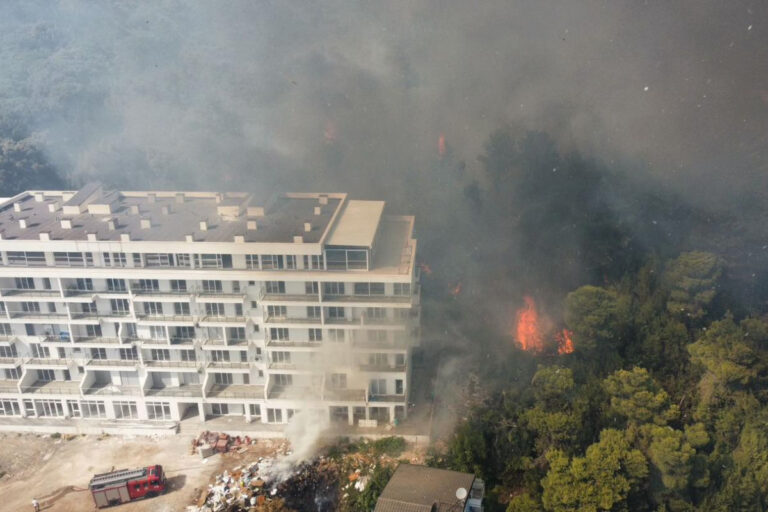
Wildfires have become one of the most serious environmental and natural disaster risks in Albania, causing extensive damage to forests, protected areas, biodiversity, agricultural land, and local communities. Rising temperatures, prolonged droughts, strong winds, and human activity have contributed to the increasing frequency and intensity of fires across the country, particularly during the summer season.
Throughout the years, Albania has experienced several severe wildfire seasons that affected large areas from the north to the south of the country, including protected regions such as Llogara, Karaburun, and Sazan. Beyond the immediate destruction of vegetation and ecosystems, fires have also caused economic losses, air pollution, evacuations of residents, and long-term environmental degradation.
The growing impact of wildfires highlights the urgent need for stronger prevention measures, forest management policies, rapid response capacities, and increased public awareness. As climate-related risks continue to intensify, improving resilience and investing in disaster preparedness remain essential for protecting both natural resources and communities in Albania.
- 2024
Wildfire, Albania
The year 2024 was one of the most severe for wildfires in Albania during the last decade, with 168 active fire hotspots and approximately 46,623 hectares of land burned. The flames dangerously approached residential areas in the south, including Gjirokastër, Delvinë, Finiq, and Sarandë, as well as northern regions such as Tropojë, Zadrimë, Theth, and the coastal area of Shëngjin.
- 2025
Wildfire, Gramsh
One of the most severe wildfire seasons in Albania affected Gramsh and the southern part of the country. More than 55,154 hectares were reported burned nationwide, while dozens of active fire hotspots, the evacuation of over 2,000 residents, and at least one fatality were reported across Albania.